

Nanny Cameras
Browse our Nanny Cameras collection. All cameras tested for quality, with free US shipping on orders over $80 and discreet packaging.
2 items
1–2 / 2
Filters
$0$500+
Filters
Filters
$0$500+
Nanny Cam — Hidden Cameras for Home Childcare Monitoring in the US
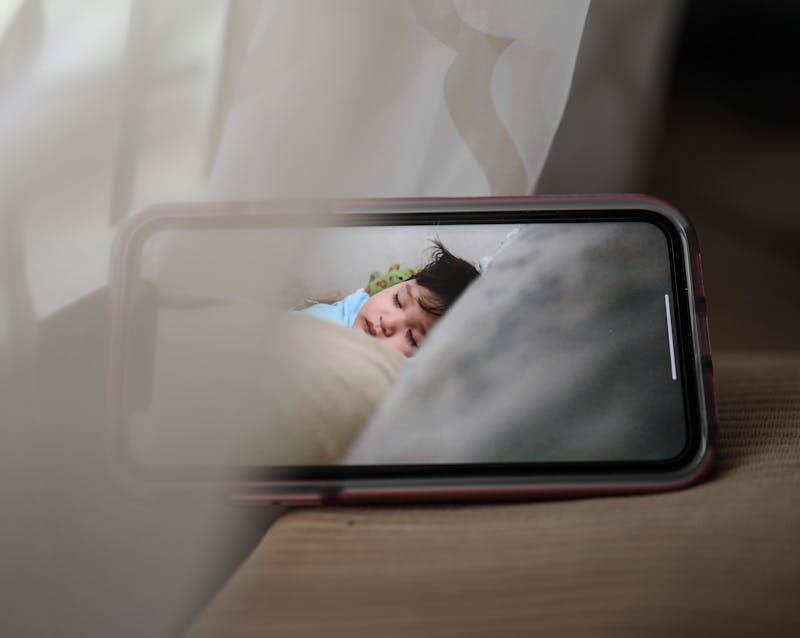
A nanny camera is a hidden camera placed inside the home to monitor caregivers, babysitters, and nannies while parents are away. Nanny cams in the US are widely used and legally straightforward: video recording in your own home is legal in all 50 states, and you are not required to disclose that cameras are present to a nanny, babysitter, or other caregiver. This legal clarity makes the nanny cam one of the most common purchases at any spy camera store serving American families.
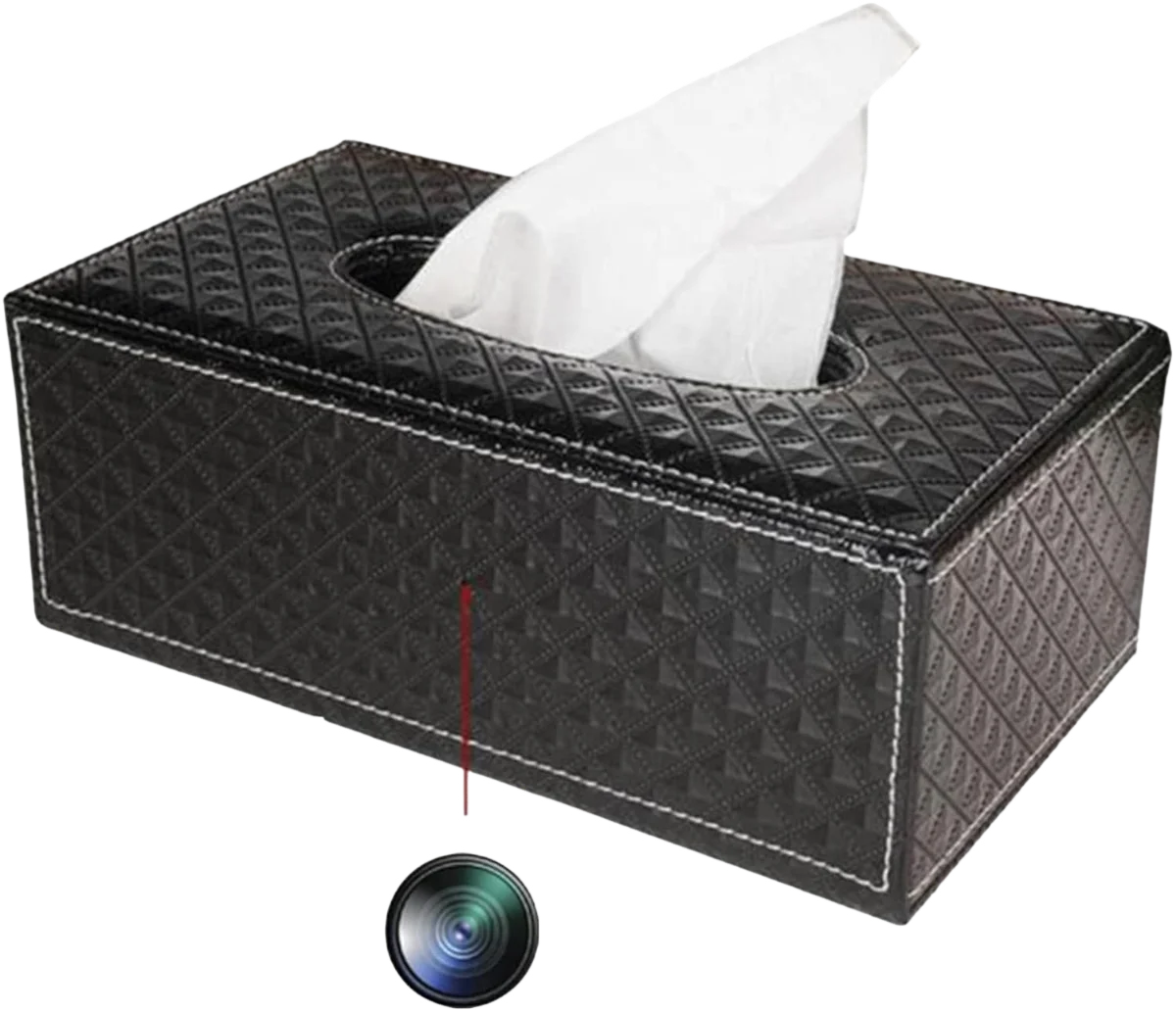
Nanny cameras are available in a range of disguises that fit naturally in any American home: stuffed animals and book-end decorations for nurseries and play rooms, clock cameras and photo frame cameras for living rooms, and charger cameras for bedrooms and common areas. WiFi models allow remote viewing on your phone from anywhere in the US. Night vision keeps recording clearly even after lights go out.
Nanny Camera Placement — Nursery, Living Room, and Kitchen Coverage
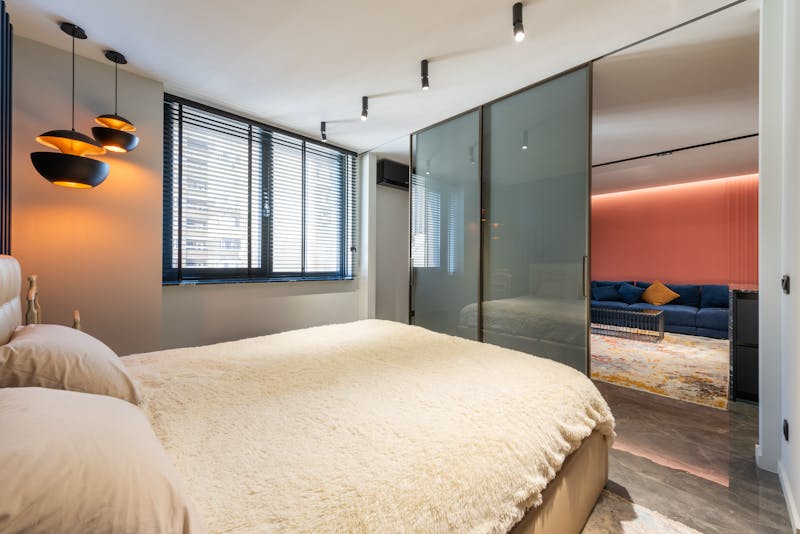
Placement for a nanny cam prioritizes the areas where children spend the most time and where caregiver behavior matters most: living rooms and play areas, nurseries and cribs, feeding areas, and any space where personal care takes place. For living room coverage, a clock camera or bookend camera at 4–5 feet height angled slightly downward provides excellent full-room coverage. In a nursery, a stuffed animal or small photo frame camera placed on a dresser at crib level captures the most relevant interactions.
For kitchen and feeding areas, a baby monitor hidden camera on the counter or a charger hidden camera plugged into a nearby outlet covers the high chair and feeding space effectively. The goal is to cover the primary interaction areas — cameras should be at a height that records faces, not just the tops of heads. A wide-angle lens model (120° or more) from a corner position typically provides the best single-camera room coverage.
Nanny Cam vs. Baby Monitor — Covert vs. Visible Childcare Monitoring
The decision between a hidden camera for home nanny monitoring and a visible WiFi baby monitor involves a real tradeoff. A visible monitor is simpler to set up and its presence is disclosed — the caregiver knows the parents can check in at any time. This is appropriate when your goal is monitoring your child's wellbeing in a context of trust with the caregiver. A covert nanny camera captures authentic, undistorted footage of care quality — caregivers who know they are being watched behave differently than when they believe they are unobserved.
Most experienced American parents choose a combination: a visible monitor in the nursery for general peace of mind, and one or two hidden cameras for home monitoring in primary care areas for honest oversight. Both serve legitimate purposes. XXSCAM's nanny cameras range from $50 to $200 USD and cover both approaches.
Nanny Cam Laws in the US — What Is and Isn't Legal by State
Video nanny cameras are legal in your own home in all 50 US states. You are not required to inform a nanny, babysitter, or caregiver that cameras are present — this is a well-established legal principle confirmed by US courts. The audio recording caveat applies here as in all other hidden camera contexts: in two-party consent states including California, Florida, Illinois, Pennsylvania, Michigan, and Washington, recording audio of caregiver conversations without their consent may violate state law.
The practical solution in strict audio consent states is to use video-only mode in the camera's app settings — fully legal everywhere and captures the visual evidence most parents actually need. You should not install a baby monitor hidden camera in spaces where the caregiver has a genuine expectation of privacy: bathroom, or a private bedroom if the caregiver lives in your home. Common areas and childcare spaces remain appropriate. For live-in nannies or au pairs, recording their private sleeping quarters or bathroom is not permitted.
Nanny Cam Comparison: Hidden vs Visible vs Smart Home Cameras
Parents choosing a nanny camera face a fundamental decision: should the camera be hidden, visible, or part of a smart home system? Each approach has legal, practical, and ethical implications. Video recording without audio is legal in all 50 US states in your own home, but audio recording laws vary by state. Here's a direct comparison.
| Feature | Hidden Nanny Cam | Visible Security Camera | Smart Home Camera (Ring, Nest) |
|---|---|---|---|
| Discretion | Fully covert — nanny doesn't know | Visible — acts as deterrent | Visible — recognizable brand |
| Legal Risk | Low for video-only; check state for audio | Lowest — expectation of monitoring | Lowest |
| Captures Natural Behavior | Yes — primary advantage | No — behavior changes when watched | No |
| WiFi Required | Optional (SD card models available) | Usually yes | Yes (required) |
| Monthly Subscription | None | Sometimes | Often ($3–$13/mo) |
| Night Vision | Yes (most models) | Yes | Yes |
| Two-Way Audio | Rare | Sometimes | Yes (most models) |
| Typical Cost | $40–$80 one-time | $30–$100 | $50–$200 + subscription |
| Best For | Monitoring without altering behavior | Deterrence + documentation | Integration with existing smart home |
Nanny Cam Laws in the US — State-by-State Guide
Video-only nanny cams are legal in all 50 US states when used in your own home in common areas (living room, kitchen, playroom, nursery). Cameras must not be placed in bathrooms, the nanny's private bedroom, or any area where a reasonable expectation of privacy exists.
Audio recording is where state laws diverge. Federal law (18 U.S.C. § 2511) requires one-party consent, meaning you can record a conversation you're part of. However, 12 states require all-party consent for audio recording — if you live in one of these states, either disable your nanny cam's microphone or inform your nanny about the recording.
| Consent Type | States | Audio Recording Rule |
|---|---|---|
| One-party consent | AL, AK, AZ, AR, CO, DC, GA, HI, ID, IN, IA, KS, KY, LA, ME, MI, MN, MS, MO, NE, NV, NJ, NM, NY, NC, ND, OH, OK, OR, RI, SC, SD, TN, TX, UT, VA, WV, WI, WY | You may record if you are present or consent to monitoring |
| All-party consent | CA, CT, FL, IL, MD, MA, MT, NH, PA, WA | All parties must consent — disable audio or inform nanny |
| Mixed / special rules | DE, VT | Varies — check specific state statute |
Where to Place Your Nanny Cam — Maximum Coverage Guide
The most effective nanny cam placement covers the areas where your child and nanny spend the most time. Start with the main living area or playroom — a clock camera on a shelf at adult head height gives the widest view. For the nursery, position a camera where it can see the crib and changing area.
The kitchen is the second most important location, especially if the nanny prepares meals. A charger camera plugged into a counter outlet captures the full kitchen workspace. For homes with multiple floors, a hallway camera near the stairs provides coverage of movement between levels.
Avoid placing cameras in the nanny's private bedroom, bathroom, or any area where they change clothes. These placements are illegal in all states and could expose you to criminal liability. If in doubt about a specific location, consult your state's surveillance laws or speak with a local attorney.
Best Nanny Cams for Working Parents — Top Picks
For parents who need to monitor from the office, a WiFi clock camera with motion detection alerts is the most popular choice. You'll receive a push notification on your phone whenever the camera detects movement, and can open the live feed instantly to check in. Two-way audio models let you speak through the camera — useful for quick instructions or check-ins.
For parents who prefer a simpler setup, a non-WiFi charger camera records continuously to a microSD card. You review the footage each evening after the nanny leaves. No internet required, no ongoing costs, no cloud subscriptions. A 128GB card holds about 7-10 days of continuous 1080P recording with loop recording enabled.
Budget considerations: basic 1080P non-WiFi nanny cams start at $35. WiFi models with motion detection and night vision range from $45-$120. 4K models with cloud storage and two-way audio are $120-$200. All XXSCAM nanny cams ship in plain packaging with free delivery on orders over $80.
Yes. Using a video camera to monitor caregivers in your own home is legal in all 50 US states. You are not required to disclose the camera to nannies or babysitters. Audio recording is subject to state consent laws — in two-party consent states like California and Florida, recording audio of caregiver conversations may require their consent. Use video-only mode to avoid audio consent issues.
No. In all 50 US states, homeowners are legally permitted to use security cameras in their own home without disclosing their presence to visitors or employees, including nannies and babysitters. This is a settled area of US law. Some parents choose to disclose cameras voluntarily for ethical reasons — this is a personal decision, not a legal requirement.
Cover the areas where your child spends the most time: living room, nursery, play area, and kitchen. Position cameras at 4–5 feet height for the best angle on adult-child interactions. Clock cameras and bookend cameras work naturally on shelves; small cube cameras blend into counter or desk settings. Avoid placing cameras in bathrooms or the caregiver's private sleeping area if they live in your home.
Yes, with a WiFi-enabled nanny cam. The companion app streams live footage to your phone from anywhere with internet access. You can also receive push notifications when motion is detected in the monitored area, review recorded footage remotely, and take screenshots directly from the app — all without anyone in the home knowing you checked.
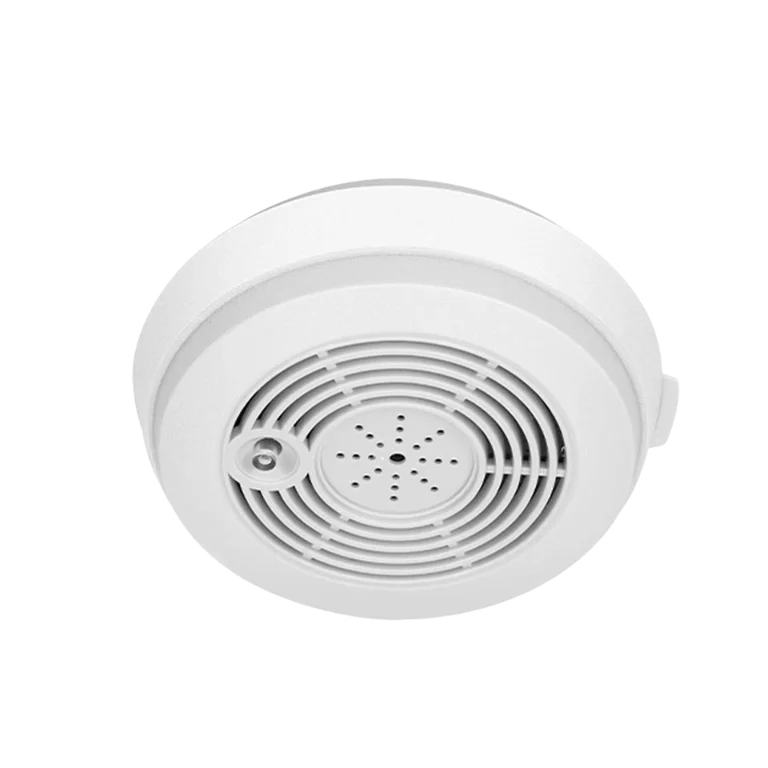
Common nanny cam disguises include working clocks and alarm clocks, photo frames, smoke detector housings, air purifier or air quality monitor casings, wall outlet extenders, small cube cameras designed as minimalist decor, and plant pot cameras. The disguise should fit naturally in the specific room — a clock on a nursery shelf, a photo frame in the living room.
Yes. All nanny cameras in our range include infrared night vision that activates automatically in low light conditions. IR LEDs are invisible to the naked eye, so recording continues covertly even in complete darkness. Night vision range is typically 3–8 meters — sufficient for standard US nursery and living room dimensions.
Effective nanny cameras at XXSCAM range from $50 to $200 USD. Entry-level models ($50–$80) offer 1080P WiFi with basic motion detection. Mid-range models ($80–$140) add improved night vision, two-way audio, and better app stability. Premium models ($80–$200) offer 4K resolution, advanced motion zones, and longer local storage capacity.
A properly designed nanny cam is extremely difficult to detect visually. WiFi cameras transmit a signal that can be detected by RF sweeping devices — if this is a concern, choose an SD card-only model with no wireless signal. Camera lenses can theoretically be detected using a lens finder that reflects light, but only if someone is actively searching with detection equipment.