Use Cases — Home Security, Office Surveillance, and Personal Safety
Home Security Camera Placement
A home security camera solves a specific problem: you want a visual record of activity inside or around a property. Hidden cameras are also used when a visible camera would alter behaviour — monitoring a caregiver, checking whether a package was actually delivered, or documenting a dispute with a contractor.
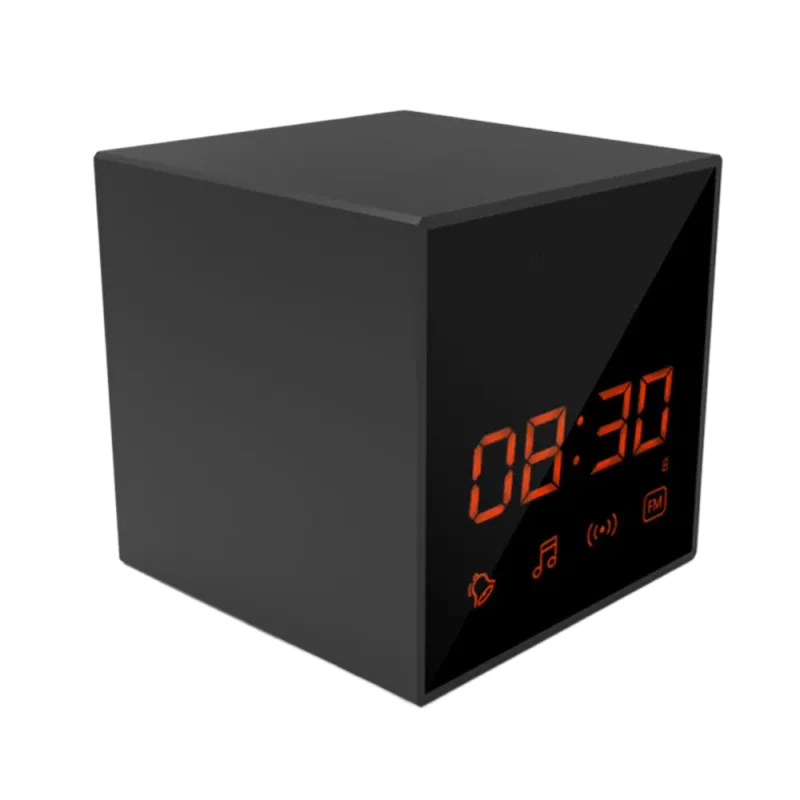
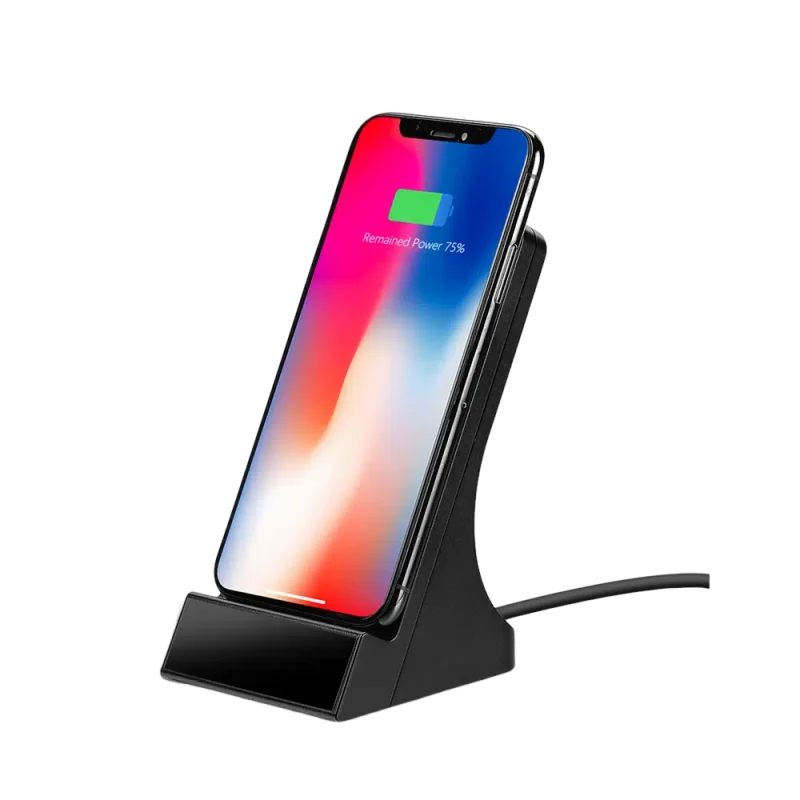
Hidden camera units differ in their angle of view and mounting requirements, so for home use, check the actual placement options of the selected model — whether a clock camera suits a shelf or desk, or a charger camera suits a position near a power socket — on its product page before deciding where it will sit.
Common placements for indoor units include living rooms (clock cameras work well here), entryways (charger cameras near a power point), and bedrooms or children's rooms where a nanny cam or standard spy camera on a shelf is typical.
For outdoor use, weather resistance needs to be specified correctly — not every unit rated for outdoor use handles sustained rain — so check the listed specifications of the exact model and consider whether it is suited to the conditions where it will be placed.
Office Surveillance and Business Use
Office surveillance has two common applications: employee monitoring (with appropriate notice, per local law) and evidence gathering for disputes — theft, harassment, or asset misuse claims.
Units used in office environments need to handle variable lighting well, so when comparing models, check how each one performs under office fluorescents, LED panels and mixed lighting conditions, since these differences can affect the recorded picture.
If the selected model supports remote access, network-connected units allow remote review of footage without physically retrieving a memory card, which is practical for larger spaces — check the product listing to confirm the model you are considering offers this.
Travel and Personal Safety
On the documentation side, a discreet portable unit can support travel use cases by recording, and before you rely on it you should check the exact model's dimensions, placement requirements, and power and operating mode requirements for your needs. When something goes wrong in a foreign city — a vehicle incident, a dispute with a service provider, an altercation — remember that a recording's effect on any dispute depends on the situation and applicable rules.
Travellers distinguish between recording incidents as they happen and detecting hidden cameras in unfamiliar accommodation such as hotels or short-term rentals. These are separate needs: recording units document events, while detection devices — where available — are a separate product category, so consider which purpose your trip actually requires before choosing.
Use recording equipment only for lawful purposes. Before recording, check the rules that apply to the location, people and type of recording, obtain any required consent and respect privacy. Seek qualified legal advice for your particular situation; a product listing is not permission to record.