Covert Surveillance Camera Use Cases — Real UK Scenarios
The reasons British buyers purchase spy cameras and covert surveillance equipment fall into five recurring categories.
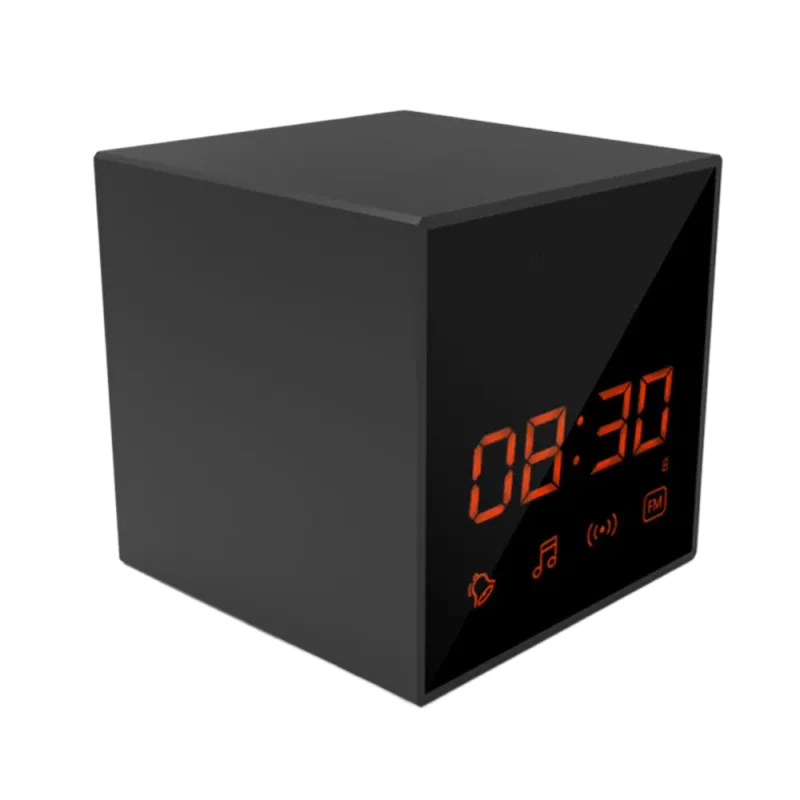
Home security monitoring covers who enters the property while the homeowner is out: delivery drivers, building contractors, domestic cleaners, and family members during renovation disputes. A spy camera UK buyers typically position in the hallway or living room gives a complete record of property access. WiFi home security cameras allow remote viewing via smartphone from anywhere with mobile data.
Childcare and eldercare verification gives families using paid nannies, childminders, or care workers assurance that those in their care are being treated properly. ICO guidance recommends informing domestic staff that recording occurs in the home. A CCTV camera in the hallway combined with a covert camera in the main room gives two separate angles.
Small business theft prevention covers stockrooms, back offices, server rooms, and retail floors where hidden cameras UK businesses rely on for theft deterrence and incident documentation.
Lone worker and personal safety recording benefits tradespeople, estate agents, care workers, and any professional who regularly enters strangers' properties. A spy camera UK lone workers carry in the form of a pen or body-worn camera provides a contemporaneous record.
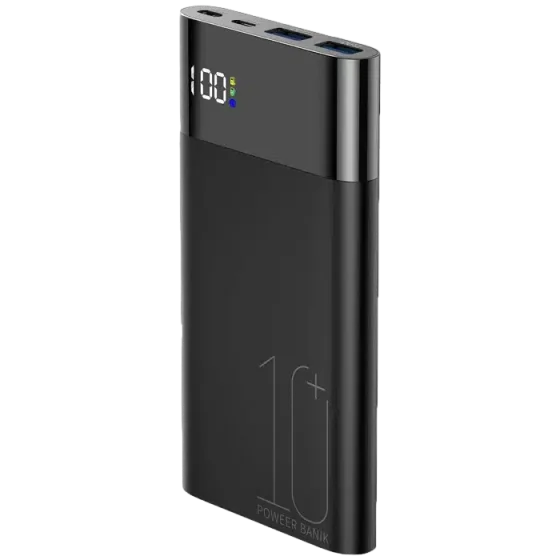
Holiday and second property protection addresses remote holiday cottages, buy-to-let properties, and static caravans that are difficult to monitor from a distance. A non-WiFi covert camera recording to a microSD card requires no broadband connection and can record for weeks on a single charge in loop-recording mode.
Use recording equipment only for lawful purposes. Before recording, check the rules that apply to the location, people and type of recording, obtain any required consent and respect privacy. Seek qualified legal advice for your particular situation; a product listing is not permission to record.