How to Use a Hidden Camera for Nanny Monitoring Legally
You can legally use a hidden nanny cam in your own home to monitor a caregiver, but only in common areas — living rooms, kitchens, playrooms — never in bedrooms or bathrooms where a reasonable expectation of privacy exists. In most places, no-audio recording is safer than audio, and in some jurisdictions audio recording without consent is a criminal offence regardless of whether it is your home.
Understanding the Legal Landscape Before You Set Up
Before installing any hidden camera, you need to understand two separate legal questions: where can you place it, and whether you need to disclose its existence.
Location is the most important variable. Courts and privacy statutes across the United States, United Kingdom, Australia, and Hong Kong consistently draw the same line: a homeowner may record in spaces where no one expects privacy — common living areas, entryways, kitchens, and children's play areas. Bedrooms (including the caregiver's room if they live in), bathrooms, and changing areas are universally off-limits. Installing a camera in any of those locations can expose you to criminal liability, civil lawsuits, or both, even inside your own property.
Audio recording is a separate, stricter matter. Many US states (including California, Florida, and Illinois) require all-party consent for audio recording. Recording a private conversation without consent in those states is a felony. In the UK, covert audio recording of employees is heavily scrutinised under the Human Rights Act. A practical rule: if your nanny cam has audio capability, either disable the microphone or research your specific jurisdiction's wiretapping and interception laws before enabling it.
Employment law matters too. In some countries, a live-in or long-term caregiver may be classified as an employee with enhanced privacy rights in any space they use for rest, meals, or personal time. Consult a local employment lawyer if your arrangement is ongoing or contractual.
Choosing the Right Placement
Even within legally permissible areas, thoughtful placement protects both your family and your caregiver's dignity.
Prioritise the child's primary activity zone. A camera with a clear view of the area where your child spends most of their waking hours — play mat, sofa, high-chair — gives you the highest-value footage with the least intrusion. Avoid positioning the lens toward seating or corners the caregiver uses for personal breaks.
Elevation and angle matter. A camera mounted at approximately two metres height and angled slightly downward produces a wide-area view that captures activity without focusing uncomfortably on a single person's face throughout the day.
Avoid doorways to private areas. Even if the camera itself is in a common area, if its field of view captures a bathroom doorway or bedroom corridor, you are in legally and ethically grey territory. Adjust the angle or choose a different mounting point.
Multiple zones for larger homes. If your home has more than one common-area floor or a separate garden play area, consider cameras in each space rather than a single high-power camera that sweeps a large area. Narrower coverage in the right spot is more useful and more defensible.
Disclosure: Should You Tell Your Nanny?
This is where opinions diverge, and the right answer depends on your jurisdiction and your relationship with the caregiver.
Some jurisdictions require disclosure. In several European countries and some Australian states, employers must inform employees of any surveillance in the workplace. Because a private home becomes a legal workplace when you hire a caregiver, those rules may apply. Failure to disclose can invalidate footage as legal evidence and expose you to fines.
Disclosure is generally recommended even where not required. Many family-safety professionals argue that transparent monitoring produces better outcomes: caregivers who know they are observed tend to behave consistently, and disclosed cameras eliminate the legal and ethical risks associated with covert recording. A simple written note in an employment letter — "we use security cameras in common areas of the home for the safety of all household members" — is typically sufficient.
If you choose not to disclose, keep footage strictly private. Sharing footage of a non-consenting adult on social media, with third parties, or publicly — even footage that seems innocuous — can itself constitute a privacy violation in many jurisdictions.
Storing and Handling Footage Responsibly
Collecting footage responsibly means more than just having the right camera in the right place.
Use local storage or a private encrypted cloud account, not public sharing platforms. Consumer home-security cloud accounts with strong two-factor authentication are acceptable. Free, ad-supported platforms that may use footage for training AI models are not appropriate for footage containing your child or your employee.
Set a retention schedule. Most families have no need to retain footage beyond seven to fourteen days unless a specific incident requires review. Unlimited accumulation of footage of another adult is a privacy risk in itself. Some cloud services allow automatic deletion after a set period — enable it.
Access control matters. Only the parents or primary homeowners should have login credentials for the camera system. Do not share access with extended family, neighbours, or anyone outside the immediate household without a specific reason.
Footage as evidence. If you ever need to use footage in a legal or disciplinary context, consult a lawyer before sharing it with police, an employer's association, or any third party. In some jurisdictions, footage obtained without proper disclosure has reduced or no evidentiary value.
FAQ
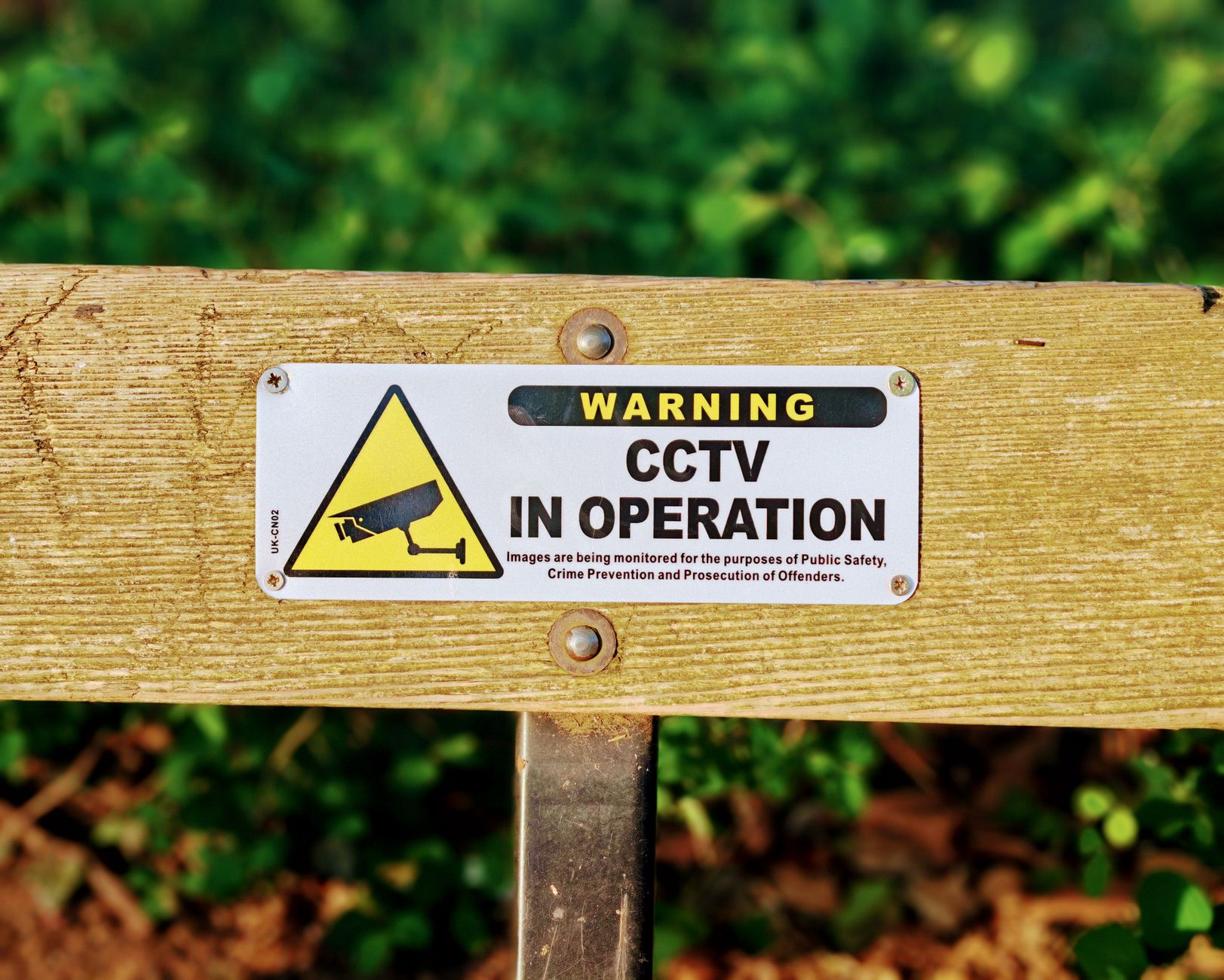
Q: Do I need to post a sign if I have a nanny cam? A: In most US states and many other common-law countries, there is no legal requirement to post a sign for cameras inside your private home in common areas. However, posting a general notice (or including disclosure in your employment agreement) is recommended practice because it eliminates legal ambiguity, is better for the working relationship, and in some jurisdictions is actually required for audio recording or where an employment relationship exists.
Q: Can I use a nanny cam if my caregiver lives in my home? A: Yes, but with extra caution. A live-in caregiver has a stronger expectation of privacy — particularly in any room designated as their living space — than a day-only worker. You should never place a camera in their bedroom or bathroom. You should also be aware that in several countries, live-in workers have statutory privacy protections as employees that limit surveillance even in shared spaces. Taking legal advice before installation is advisable in this scenario.
Q: What if the camera captures a neighbour's property or a public street? A: While cameras capturing some incidental public street view are generally tolerated, a camera that captures a neighbour's private garden, windows, or driveway can create civil liability under nuisance or privacy law. Adjust the field of view so that coverage stays within your property boundaries as much as possible.