

Detectors
Browse our Detectors collection. All cameras tested for quality, with free Australian delivery and discreet packaging.
Filters
No products available
Please check back later or adjust your filters.
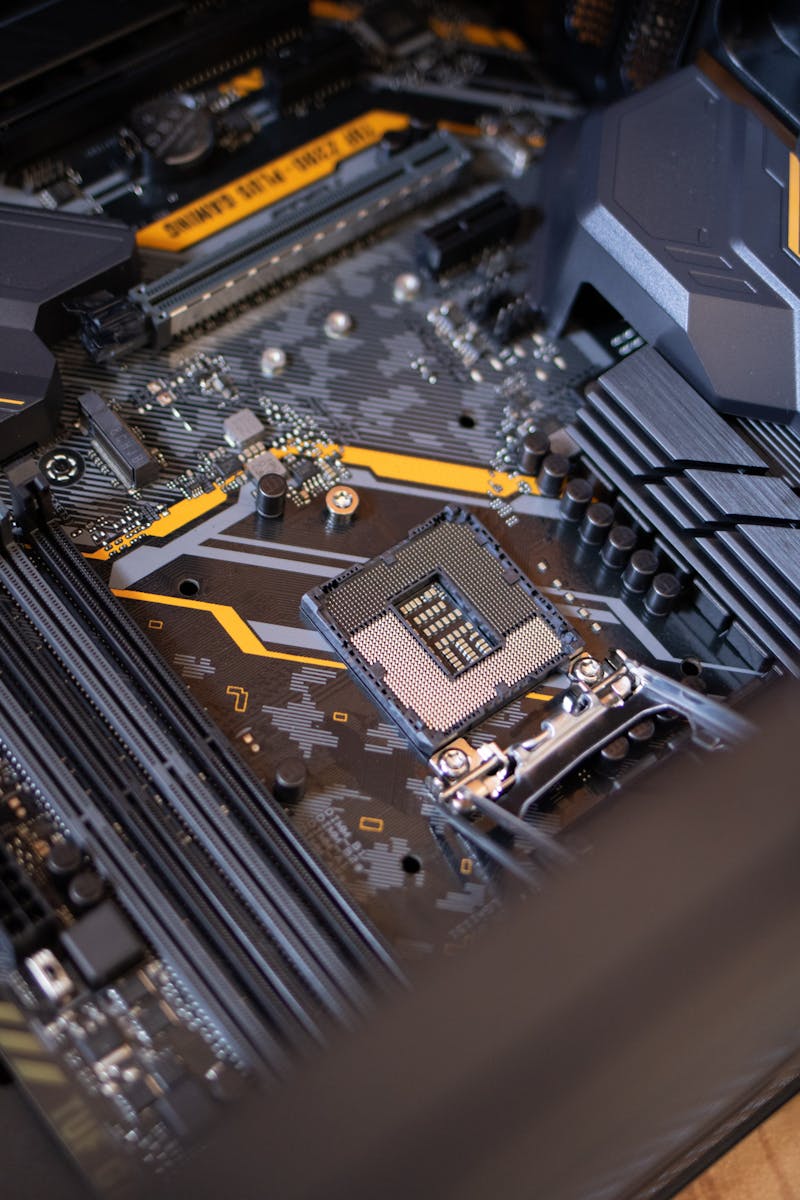
Hidden Camera Detector Australia — Find Covert Cameras in Short-Stay Accommodation
A hidden camera detector Australia travellers carry is a handheld device that locates covert cameras using two complementary methods: RF (radio frequency) signal detection to find cameras transmitting WiFi or wireless video feeds, and LED lens reflection scanning to detect any camera lens regardless of whether it transmits — including SD-card-only models that emit no signal. Australian consumer groups and state police have reported undisclosed cameras discovered in Airbnb properties, Stayz holiday rentals, and short-stay accommodation across all Australian states.
XXSCAM spy camera finder AU detectors are tested for sensitivity sufficient to locate cameras hidden in everyday household objects — clocks, smoke detectors, USB chargers, and picture frames. A two-minute sweep of the bedroom and bathroom gives genuine peace of mind before settling into unfamiliar accommodation. Our detectors ship to every Australian state and territory with discreet plain outer packaging.
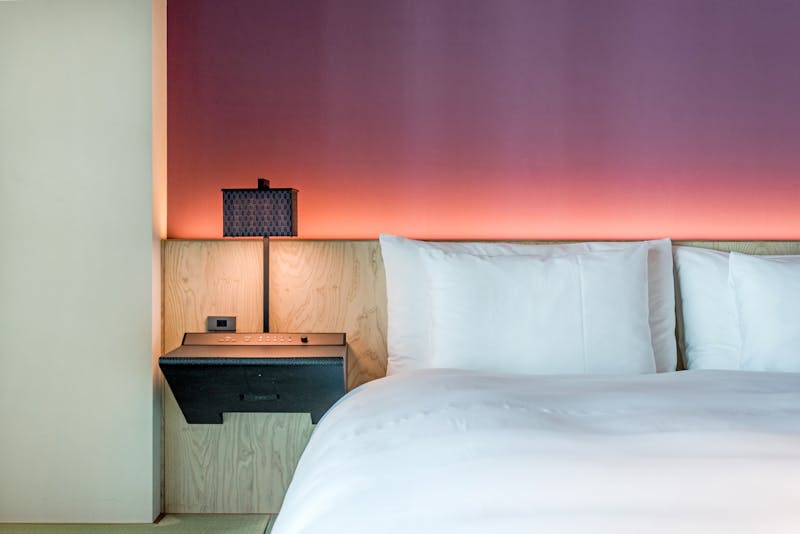
Spy Camera Finder AU — How Detectors Work and What They Can Find
A spy camera finder AU device works in two modes that complement each other. RF detection mode scans for wireless signals from cameras transmitting live or recorded footage over WiFi or proprietary radio frequencies — any camera streaming video or sending motion alerts will show up. Lens detection mode floods the room with pulsed LED light and uses a red-filter viewfinder: any camera lens, regardless of whether the camera is transmitting, reflects back a characteristic lens glint visible through the filter. This catches SD-card-only cameras, disabled cameras, and cameras in standby.
Bug detector Australia models vary in sensitivity: entry-level RF detectors catch obvious WiFi cameras, while premium models detect weak signals from cameras using low-power modes designed to evade basic scanners. For travellers staying in high-risk accommodation or those with genuine privacy concerns, investing in a mid-range to premium detector is worthwhile. XXSCAM carries detectors at multiple price points, all tested for detection performance before listing.
Bug Detector Australia — Where to Sweep and What to Do If You Find Something
When running a bug detector Australia sweep in short-stay accommodation, focus on spaces where privacy matters most: the bedroom (particularly around mirrors, clock faces, and smoke detectors), the bathroom (vent covers, wall hooks, shampoo bottles), and the living area (toward the sleeping area if an open-plan layout is used). Also check USB charger ports — a camera-equipped charger is entirely functional and draws no attention plugged into a standard wall outlet.
If your hidden camera detector Australia locates something suspicious, do not move or cover the device — photograph it in situ, note the room number and property address, and report it immediately to the property platform (Airbnb, Stayz, or similar), the property owner, and local police. Australian state police have dedicated cybercrime or privacy units that handle undisclosed camera complaints. Keep all communications with the platform and host as written records. XXSCAM detectors are sold as a practical personal privacy tool for Australian travellers and short-stay accommodation guests.
Detecting Hidden Cameras in Australian Accommodation
Reports of hidden cameras in Australian Airbnbs, hotels, and holiday rentals have increased. A thorough sweep takes under 10 minutes: turn off all lights and look for tiny LED indicators or lens reflections. Use an RF detector to scan for wireless cameras. Then use a lens finder to detect any camera lens — active or inactive.
Focus on areas facing the bed, bathroom, and shower. Check smoke detectors, clock radios, power points, picture frames, and any device that seems oddly positioned. If you find a hidden camera, photograph it, leave it in place, and contact local police.
Hidden Camera Detectors — Australian Travellers' Essential
Whether you're staying in a Sydney Airbnb, a Queensland resort, or a Melbourne hotel, a hidden camera detector gives you peace of mind. Our detector kits combine RF scanning (for WiFi and Bluetooth cameras) with lens detection (for all cameras including offline ones).
Compact enough to pack in your carry-on luggage, detectors are also useful for checking rental cars, office meeting rooms, and changing rooms. All detectors come with an Australian-compatible USB charger. Prices from AUD 40 to AUD 120.
How RF Detectors and Lens Finders Work — Technical Guide
RF (Radio Frequency) detectors scan the electromagnetic spectrum for signals emitted by wireless cameras, listening devices, and GPS trackers. When a WiFi camera transmits video to a router or cloud server, it produces a detectable RF signal typically on 2.4GHz or 5GHz bands. Our RF detectors scan from 1MHz to 8GHz, covering all common surveillance device frequencies including cellular (3G/4G), WiFi, Bluetooth, and proprietary wireless protocols.
Lens finders work on a completely different principle — optical reflection. A ring of bright red LEDs creates a distinctive reflection (called a 'hot spot') off any camera lens within the detector's field of view. This works regardless of whether the camera is powered on, transmitting, or recording. Lens finders are the only reliable way to detect non-WiFi cameras, wired cameras, and cameras that have been powered off but remain in place.
For the most thorough sweep, use both tools in sequence: RF detector first (quick scan for active wireless devices), then lens finder (systematic room sweep for all camera lenses). Our combo detector kits include both tools in one compact unit, plus a signal strength meter for pinpointing hidden device locations.
Step-by-Step Room Sweep Guide for Australian Travellers
A systematic sweep takes 10-15 minutes per room. Follow this protocol used by Australian security professionals:
Phase 1 — Visual Inspection (2 minutes): Enter the room and do a slow 360-degree scan. Look for anything that seems out of place, newly installed, or oddly positioned. Common camera hiding spots in Australian accommodation: smoke detectors, clock radios, USB chargers, power adapters, picture frames, air fresheners, tissue boxes, and bathroom exhaust fans.
Phase 2 — RF Sweep (3 minutes): Turn on your RF detector and slowly walk the perimeter of the room. Hold the detector at waist height and move at a steady pace. Pay attention to signal strength spikes — a strong spike near a wall outlet, smoke detector, or decorative object indicates a possible wireless camera. Check the bathroom separately.
Phase 3 — Lens Detection (5 minutes): Turn off all room lights and close curtains. Turn on the lens finder and hold it against your dominant eye (close the other eye). Systematically scan every surface at close range (30-50cm). Camera lenses produce a bright pinpoint reflection visible through the detector's viewing port. Scan walls, ceilings, objects at eye level, and especially areas pointing toward the bed, shower, and changing area.
Phase 4 — Electronic Scan (2 minutes): Check your phone's WiFi network list for suspicious device names (camera, cam, ipcam, or random alphanumeric strings). Some camera detection apps can also identify unknown devices on the local network.
Best Hidden Camera Detectors for Australian Conditions
Our most popular detector among Australian customers is the K68 Pro Combo Unit — it combines RF detection (1MHz-8GHz sweep), optical lens detection (6 red LED array), and a magnetic field detector for pinhole cameras behind walls. Compact enough for carry-on luggage (110 x 55 x 20mm), it runs on a built-in rechargeable battery lasting 4-6 hours of continuous scanning.
For frequent travellers, we recommend the K18S Professional Detector with a 2.5-inch LCD screen showing signal strength in real-time. It identifies the frequency band of detected signals, helping you distinguish between a hidden camera (typically 2.4GHz WiFi) and normal hotel WiFi equipment.
All detectors come with an Australian-compatible USB charger, carry case, and detailed instruction manual with visual sweep guides. Prices range from AUD 40 for a basic lens finder to AUD 120 for a professional combo unit. Free tracked courier delivery on orders over AUD 200. Each detector is tested before shipping to ensure proper calibration.
Pro tip for Australian travellers: pack your detector in your carry-on bag, not checked luggage. You'll want to sweep your room immediately upon arrival — before unpacking, changing clothes, or using the bathroom.