-20%
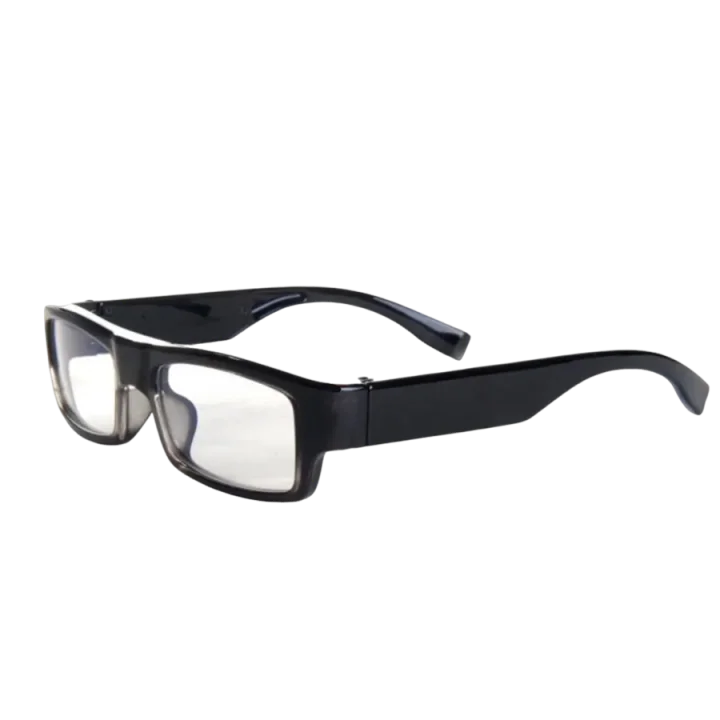
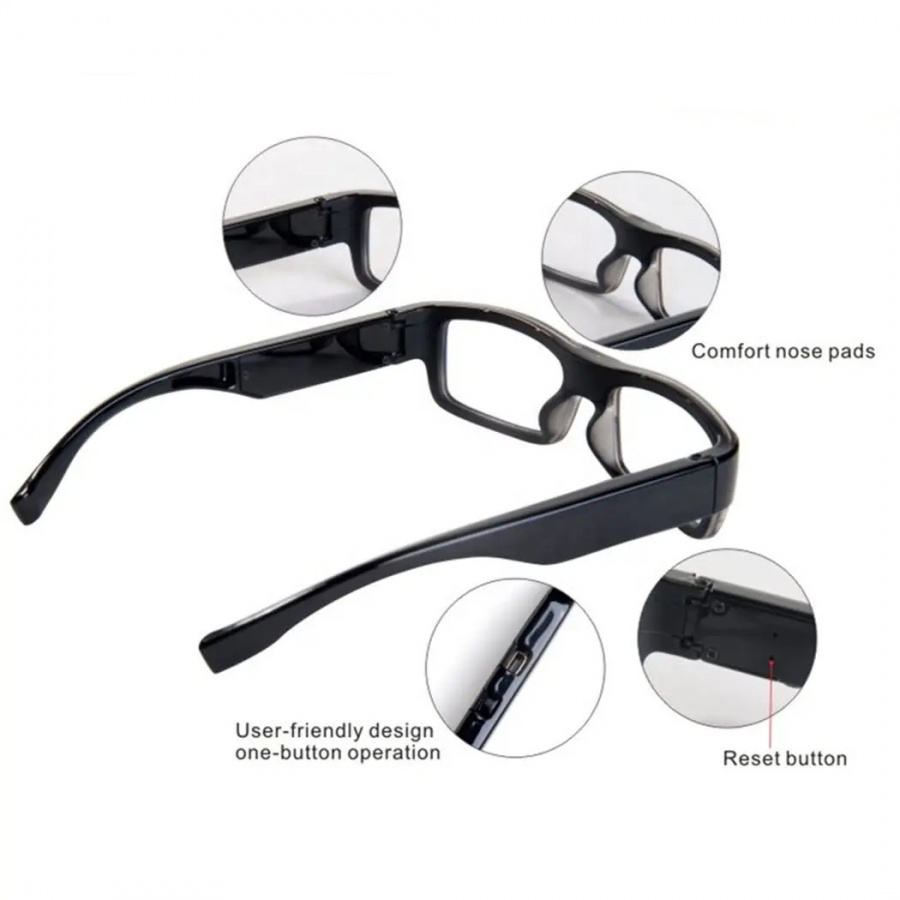
HD Spy Glasses
A$212A$265
Wearable cameras record from a device worn on the body. XXSCAM's current wearable camera selection features camera glasses, giving buyers a glasses-based option to compare with fixed cameras. Check the model's recording controls, storage and charging requirements before buying.
A wearable camera moves with the wearer rather than remaining on a desk or shelf. That makes the recording position different from a fixed camera: where you face, how the frame sits and how you move all affect the footage. Decide whether this viewpoint fits your intended recording before comparing features. The familiar shape of eyewear does not guarantee that everything you look at will be framed exactly as expected.
The current product in this category is HD Spy Glasses. Its product page describes a camera integrated into the frame and recording controls on the glasses. Review that specific model's instructions and listed features. This selection should be evaluated as camera glasses; it does not establish the availability of a separate professional body-camera range or the specialist features sometimes associated with that equipment.
Consider how long each recording session needs to last and how you will recharge the device between sessions. Recording time, charging time and standby time describe different things. Use the individual product's information to make the comparison, and ask about any unclear claim before ordering. Do not assume a small wearable camera will cover an entire shift simply because other body cameras are marketed for professional use.
Think about the controls you will need while wearing the device. Check how recording starts and stops, how you confirm its state and how you retrieve footage afterwards. A convenient control arrangement is useful only if you understand what the device is doing. Read the storage instructions as well, including compatible media and what happens when storage becomes full. Those details are more useful than a broad promise of effortless recording.
Choose based on the viewpoint you need. Camera glasses are worn by a person, while a fixed camera is positioned to watch a selected area. If recording from a desk, shelf or other fixed location is the goal, compare hidden cameras. Review each model's lens position and power needs separately. A wearable camera should not be treated as a substitute for every kind of room camera.
Connectivity is another separate decision. Check whether the chosen wearable model records locally and how files are transferred. Do not infer phone streaming, GPS data, cloud backup or remote controls from the category name. If a required capability is absent from the product information, ask for confirmation rather than assuming it is present. The fact that a camera is worn tells you about its format, not its complete feature set.
Before relying on camera glasses, make a short recording while wearing them as intended. Watch the saved clip to check framing and the effect of normal movement. A trial can show whether the viewpoint suits the task and whether a change in fit affects the view. Also practise starting and stopping a recording so the control sequence is familiar before a longer session.
If app viewing is the main requirement, compare the wireless cameras selection and check each model's network features. For any recording setup, establish whether recording is permitted in the intended place and whether notification or consent is needed. Check audio requirements separately. A compact or discreet wearable design does not establish permission to record people or private spaces.
The current selection features HD Spy Glasses, a camera-glasses format. Check the product listing for the current option and its features. Do not assume that this category also offers professional body cameras, chest-mounted models or an extensive range of wearable devices.
They are different formats and should be compared by their individual specifications. Do not assume professional features such as GPS logging, pre-recording, weather protection or shift-length recording are included. Confirm any required capability on the exact product page before buying.
Connectivity is model-dependent. The HD Spy Glasses product information describes recording without WiFi. Read the instructions for starting recordings and transferring files; a local-recording feature does not automatically imply live phone viewing or remote access.
Do not assume all-day operation. Check the selected model's stated recording time and charging requirements, and distinguish recording time from standby time. Plan around the individual device rather than borrowing a battery claim from another type of camera.
Make a short trial recording while wearing the glasses, then review the saved footage. Check the view, movement and playback method. Repeat the trial after adjusting the fit so you understand how the actual recording position affects the result.